The Society of Friends
About-Us
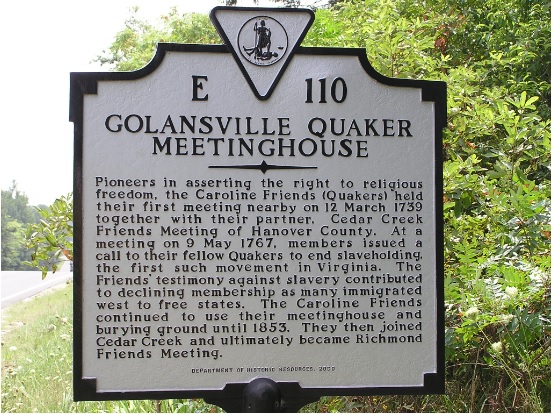
The Caroline Religious Society of Friends was established in 1739. Known as Quakers, the Caroline Friends were among the early pioneers of Virginia’s frontier, helping to shape not only the region but also the emerging ideals of what would become the United States of America.
From the earliest days of the colony, Caroline Friends played a meaningful role in social and economic life. They helped introduce practices that were innovative for their time, including fair and transparent commerce, early forms of banking and insurance, and fixed pricing for goods. These ideas promoted trust, stability, and shared prosperity within the community.
Equally important were the Friends’ commitments to social justice and human rights. Long before such views were widely accepted, Caroline Friends upheld the principles of religious freedom, equality of women, and the moral condemnation of slavery. These values were not abstract beliefs but lived practices rooted in faith, conscience, and a deep respect for human dignity.
In 2019, the Society of Friends was reestablished as a nonprofit organization to preserve this legacy and carry its values forward. Today, the Society of Friends of Caroline County, Virginia, maintains and operates SocietyOfFriends.org.
The Society is organized and operated exclusively for religious, charitable, and educational purposes. Through this work, we seek to honor the past, engage the present, and inspire future generations with the enduring Quaker testimonies of peace, equality, integrity, and community.
Golansville Quaker Meetinghouse